.svg)


NIE number for children: what parents need to know

The estate agent has just explained that the apartment in Torrevieja will be registered partly in the children's names, for inheritance reasons, and that all four of you will need a NIE before the notary appointment. The two adults were expected. The seven-year-old and the toddler were not.
It is one of the most common surprises in a Spanish property purchase, and the answer is straightforward once you see the logic: a NIE has nothing to do with age.
Why a child needs one at all
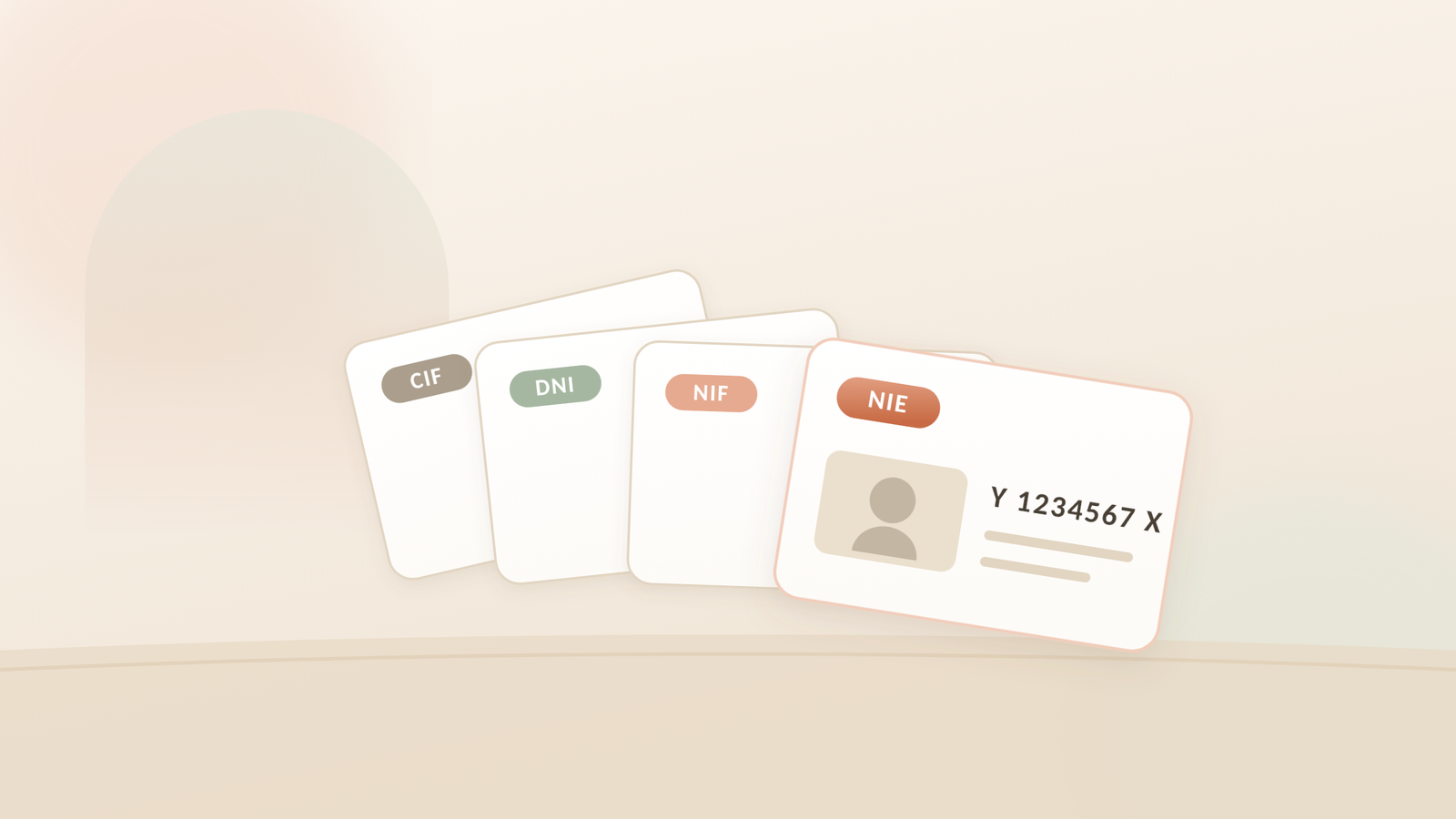
The NIE is assigned to any foreigner who has an economic, professional or social interest in Spain. Nothing in that rule mentions a minimum age, because the interest belongs to the person, not to the household. If a child's name appears on a deed, an inheritance or a bank account, that child has an economic interest of their own and needs their own number.
The situations that come up most often:
- Property registered in a child's name, in whole or in part, including gifts from grandparents.
- An inheritance in which a minor is an heir. This is the single most frequent reason we see. The estate cannot be settled without it.
- A bank account or investment held in the child's name.
- Enrolment at a Spanish school and registration for healthcare, once the family lives in Spain.
- Shares in a Spanish company held by a minor, which is rarer but does happen in family businesses.
A child who is simply on holiday, or who lives abroad and has no assets in Spain, does not need one. The trigger is the child's own connection to Spain, not the parents'.
There is no minimum age
Newborns are assigned NIEs routinely. A baby born in Spain to two foreign parents is, in Spanish administrative terms, a foreigner from day one, and will need a NIE for anything from a residence application to a savings account.
The number is permanent. Assigned at three months old, it is still the same number at forty. There is no juvenile version that converts into an adult one.
Who actually applies
A minor cannot file the application themselves. It is filed by the representante legal, the parent or legal guardian.
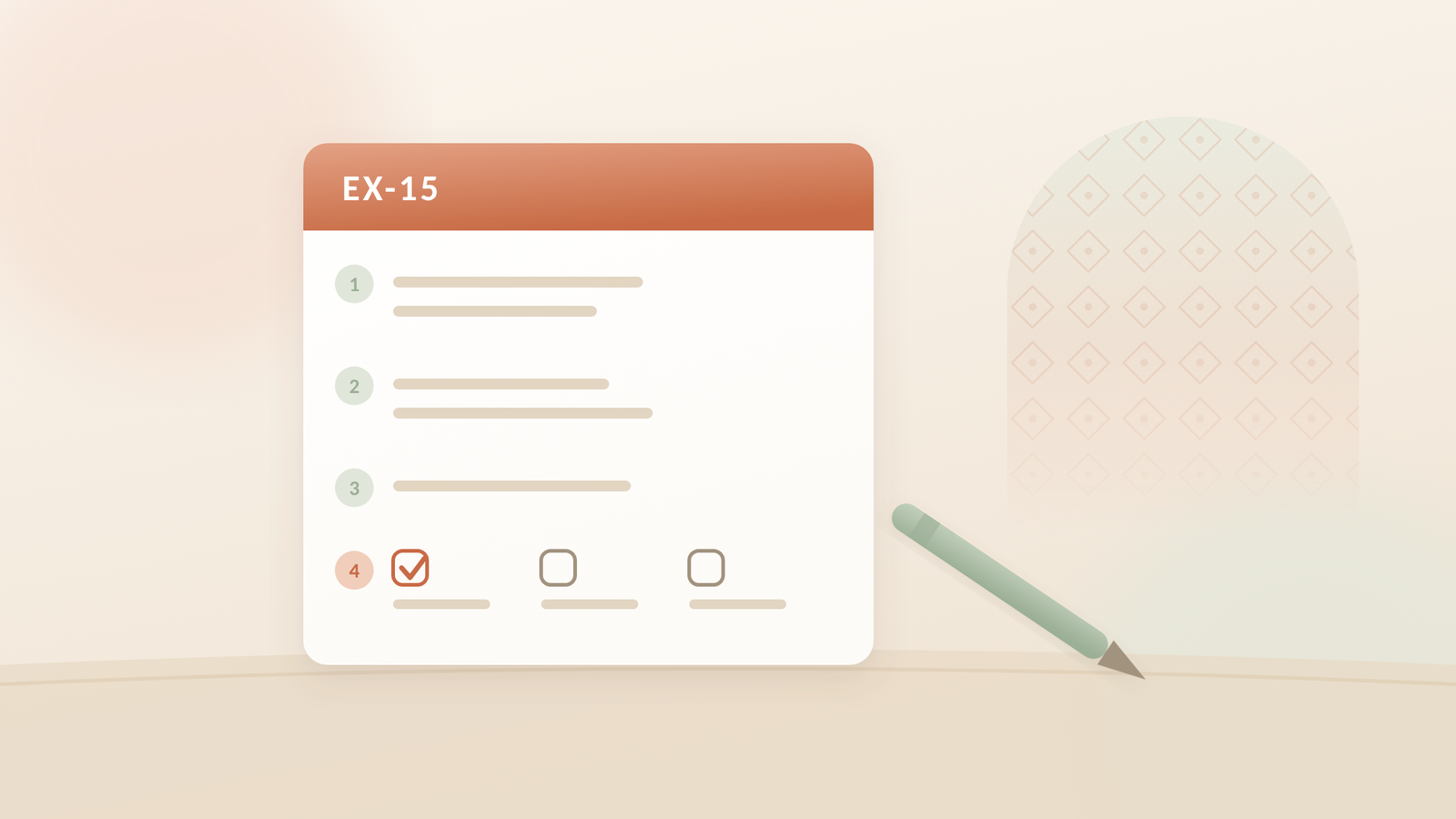
This is where the EX-15 form catches people out. Section 1, the applicant's details, contains a separate block for a legal representative. That block is for the parent or guardian. Section 2, further down, is for whoever physically hands the paperwork in, typically a lawyer or gestor. They are not the same thing, and filling in the wrong one is a standard reason for an application to come back. Our section-by-section guide to the EX-15 covers the rest of the form.
The applicant's details in section 1 stay the child's: the child's passport number, the child's date of birth, the child's nationality. Only the representative block changes.
The extra documents
On top of everything an adult applicant needs, a child's application requires proof of the parental or guardianship relationship. Spanish consulates ask for the same thing in almost identical wording: a copy of the family record book, the birth certificate or the guardianship document, plus the valid passport or ID of the parent or guardian.
Two practical points follow from that.
The libro de familia, the Spanish family record book, does not exist in most countries. If you do not have one, the birth certificate is the document to bring. Make sure it names both parents; a short-form extract that omits them is not proof of anything.
A birth certificate issued outside the EU will normally need an apostille and a sworn translation into Spanish. Within the EU this is no longer necessary: under Regulation (EU) 2016/1191, in force since February 2019, public documents including birth certificates are exempt from legalisation between member states, and you can request a multilingual standard form alongside the certificate to avoid the translation as well. Ask your local registry for it by name. It is free or nearly free, and it saves a translator's fee.
Does the child have to attend?
Usually not, but read the wording carefully. Consulates state that the physical presence of the applicant or their representative is mandatory in every case. A parent attending as legal representative satisfies that, so young children generally stay at home.
One detail worth knowing: some consulates, London among them, ask for the EX-15 to be completed but not signed in advance, because the signature has to be given in front of the officer. Bring a pen, not a signed form.
EU and non-EU children follow different routes
The bare NIE is only part of the picture once a family actually moves to Spain.
An EU child relocating for more than three months registers on the Registro Central de Extranjeros using form EX-18, exactly as an adult would, and receives the green registration certificate showing the NIE. A non-EU child gets a TIE, the physical residence card, once a residence permit has been granted. Neither of those is a NIE application in the narrow sense, though both produce the number. We set out which document belongs to which situation in more detail.
If the family is not relocating and the child simply owns something in Spain, the EX-15 route is the right one.
What it costs
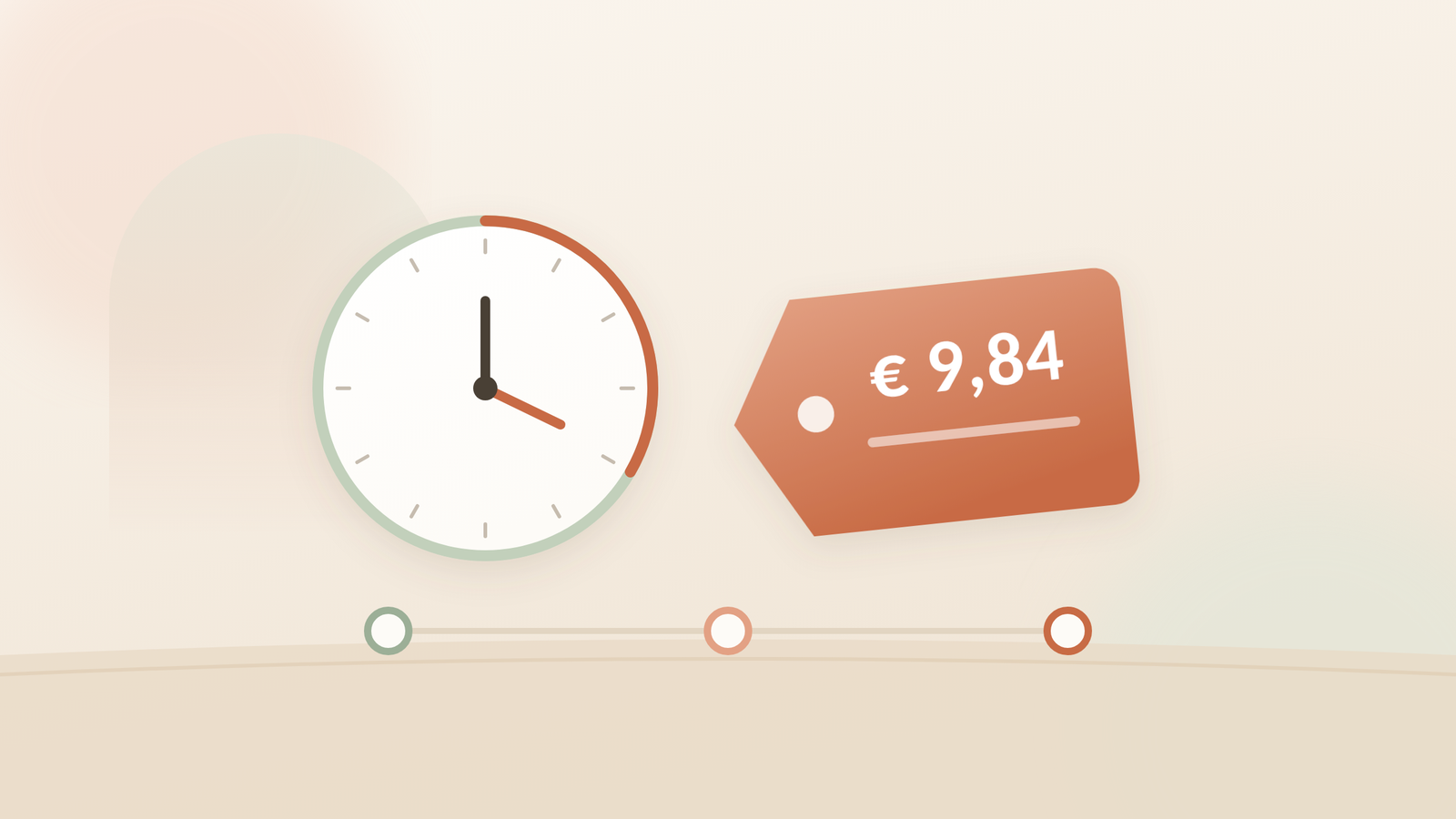
The same as for an adult: €9.84 in state fees per person, paid on modelo 790 código 012. There is no family rate and no discount for children, so a family of four pays the fee four times.
Consular tariffs match the Spanish fee in the eurozone. The Spanish Consulate General in London charges £8.65. The full picture, including what a gestor and the translations add, is in our guide to what a NIE costs and how long it takes.
Where children's applications go wrong
- Evidence that proves the parents' interest, not the child's. The supporting document has to show why this child needs a number. A purchase contract naming only the parents will not do it; the deed or the inheritance paperwork has to name the minor.
- A birth certificate that does not name both parents. Request the full version, not the short extract.
- A child's passport close to expiry. Children's passports are valid for shorter periods than adults', and it is easy to forget.
- Names recorded inconsistently. Spanish records expect two surnames. Decide once how the child's name is written and use exactly that everywhere, matching the passport.
- Assuming one appointment covers the family. Each applicant needs their own form, their own fee and, at most offices, their own appointment slot.
Does it expire?
The number does not. The paperwork does. A certificate more than three months old is often refused by banks and notaries, a TIE card carries an expiry date, and the child's passport has one too. When a purchase or an inheritance is approaching, check all three rather than assuming the file from two years ago is still usable.
Why Buenaley
A NIE for a child is not legally complicated. It is administratively fussy, and it usually turns up late, when a notary appointment is already booked and one document is missing.
Buenaley is a Spanish law firm that handles NIE applications, property purchases, inheritance and residency for international families. We file for the whole family at once, under power of attorney where that avoids the appointment queue.
- The whole family in one file, with the right evidence for each person.
- Advice on birth certificates, apostilles and translations before you pay for the wrong ones.
- A clear quote upfront, with the €9.84 state fee per person shown separately.
Buying, inheriting or moving with children in the picture? We can handle the NIE applications for everyone involved. Get in touch and tell us who is on the deed.


No obligation to start.
First Consultation Free.